Financial desk
Fed raises rates a quarter point, but student loans stay fixed
The Fed raised its target range a quarter point to 3.75-4.00% on September 16, its first increase since 2023; the prime rate behind credit cards moved the next day, while the 6.52% federal student loan rate for 2026-27 did not move.
The Fed raised its target range a quarter point to 3.75-4.00% on September 16, its first increase since 2023; the prime rate behind credit cards moved the next day, while the 6.52% federal student loan rate for 2026-27 did not move.
Key points
- The Federal Open Market Committee raised the target range for the federal funds rate by 1/4 percentage point, to 3-3/4 to 4 percent, on a 12-0 vote with no dissents, according to the FOMC statement. The statement says "Inflation remains elevated" and describes the move as support for a timelier return to the Committee's 2 percent goal.
- It is the first increase since July 27, 2023, when the range went to 5.25-5.50%. The Fed's open market operations history shows six cuts in between: a half point on September 19, 2024, then quarter points on November 8 and December 19, 2024, and again on September 18, October 30 and December 11, 2025, which left the range at 3.50-3.75% until now.
- The new administered rates took effect September 17: interest on reserve balances 3.90%, the primary credit rate banks pay to borrow directly from the Fed 4.00%, and overnight reverse repo 3.75%, per the implementation note. The effective federal funds rate, the actual traded rate, went from 3.63% to 3.88% the same day.
- The bank prime loan rate, the index variable-rate credit cards are commonly tied to, rose from 6.75% to 7.00% on September 17, per the Fed's H.15 release. The Fed's own credit card reading, 22.15% on accounts assessed interest, is the second-quarter 2026 entry in its terms of credit series. That series is quarterly and the reading predates the hike, so no post-hike official average exists yet.
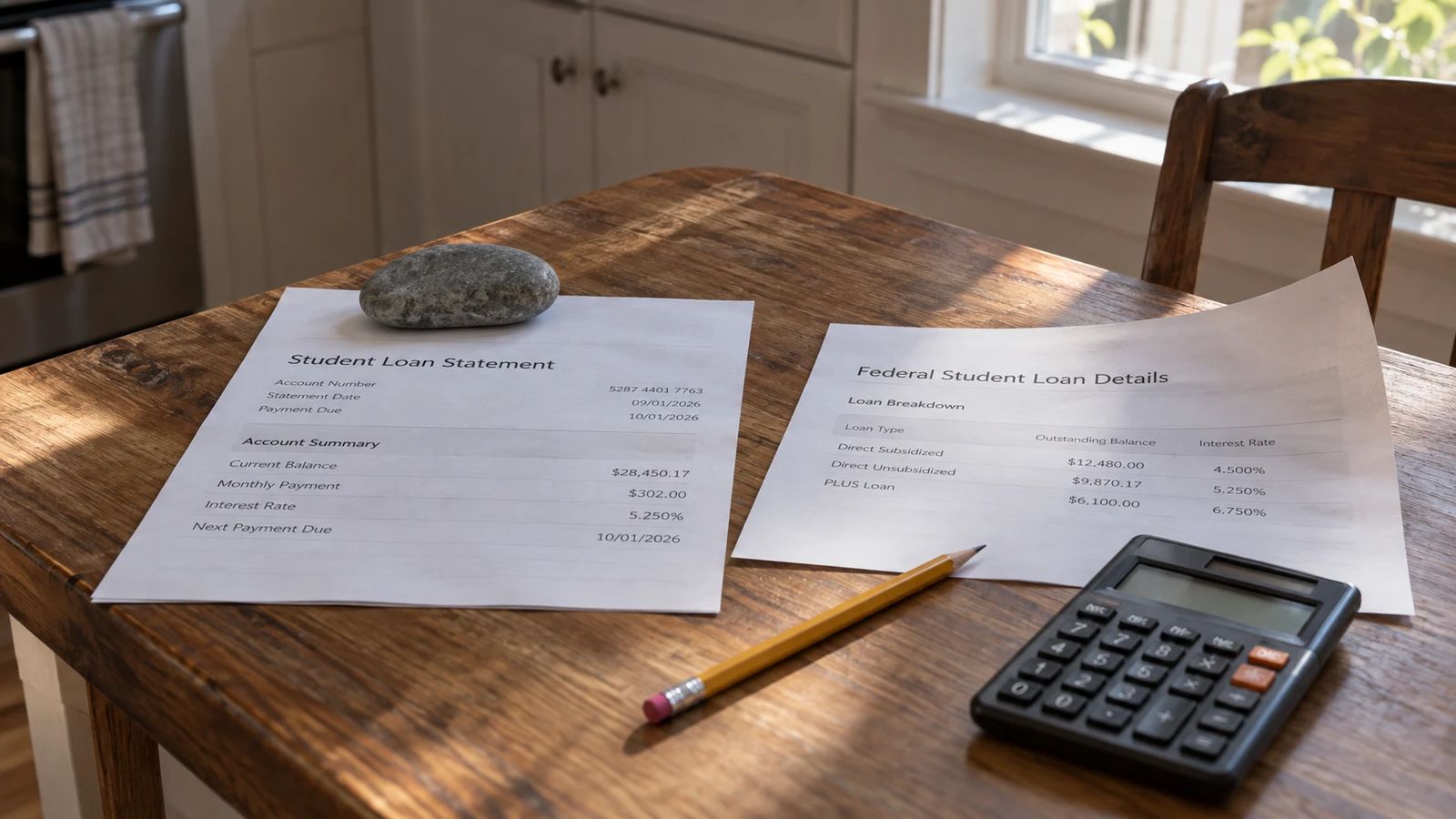
- Federal student loan rates are fixed at disbursement and did not change. Loans first paid out between July 1, 2026 and June 30, 2027 carry 6.52% for undergraduate borrowing, 8.07% for graduate Unsubsidized and 9.07% for Direct PLUS, set by the Education Department on June 4 from the May 12 Treasury auction high yield of 4.468%.
- Mortgages are priced off long-term yields rather than the overnight rate the Fed sets. St. Louis Fed research makes the general point that a fed funds move raises short-term rates much more reliably than long-term ones, and the 10-year Treasury did not follow the Fed this week: it was 5.01% on September 16 and fell to 4.94% on September 17, the day the new rates took effect. Freddie Mac's survey put the 30-year fixed at 6.95% for the week ending September 17, up from 6.76% a week earlier and 6.26% a year ago, and the 15-year at 6.26%, up from 6.09% a week earlier and 5.41% a year ago. That survey is not a reaction to the decision: Freddie Mac collects it from the prior Thursday through Wednesday, so the week ending September 17 closes on the day of the meeting and before the new rates took effect.
- Deposit rates are a separate schedule again. The FDIC's national averages, published August 17, were 0.38% for savings accounts and 1.71% for a 12-month CD. The FDIC builds them from rates available on the last business day of the prior month, July 31, so they are averages across all reporting banks from well before the meeting and cannot yet show the hike. The next monthly reading is the first one that could.
- The Fed's September projections put the median federal funds rate at 4.1% for the end of 2026, above the 3.875% midpoint of the new range, along with 3.7% PCE inflation, 4.1% unemployment and 2.3% real GDP growth for the year.
For a student, the practical result is that the same quarter point lands differently depending on what you owe. A revolving credit card balance is usually tied to prime, which repriced within a day; when that quarter point reaches a statement depends on the card, because the CFPB's explanation of variable rates is that the APR moves with its index and the cardholder agreement sets out how and when a card's rate can change. Federal loans taken out this academic year are locked at 6.52% for the life of the loan, which is what the fixed-rate design is for. Anyone comparing a private loan against a federal one this fall is comparing a rate that can move against one that cannot. And on the saving side, the difference between the 0.38% national average and what an account actually pays is a far larger number than the quarter point the Fed just added.
This is an AI-written summary of the sources credited above and linked in the text, read and edited by Nicholas before publishing. The facts and the quote belong to those sources; the wording is ours. Read the original.